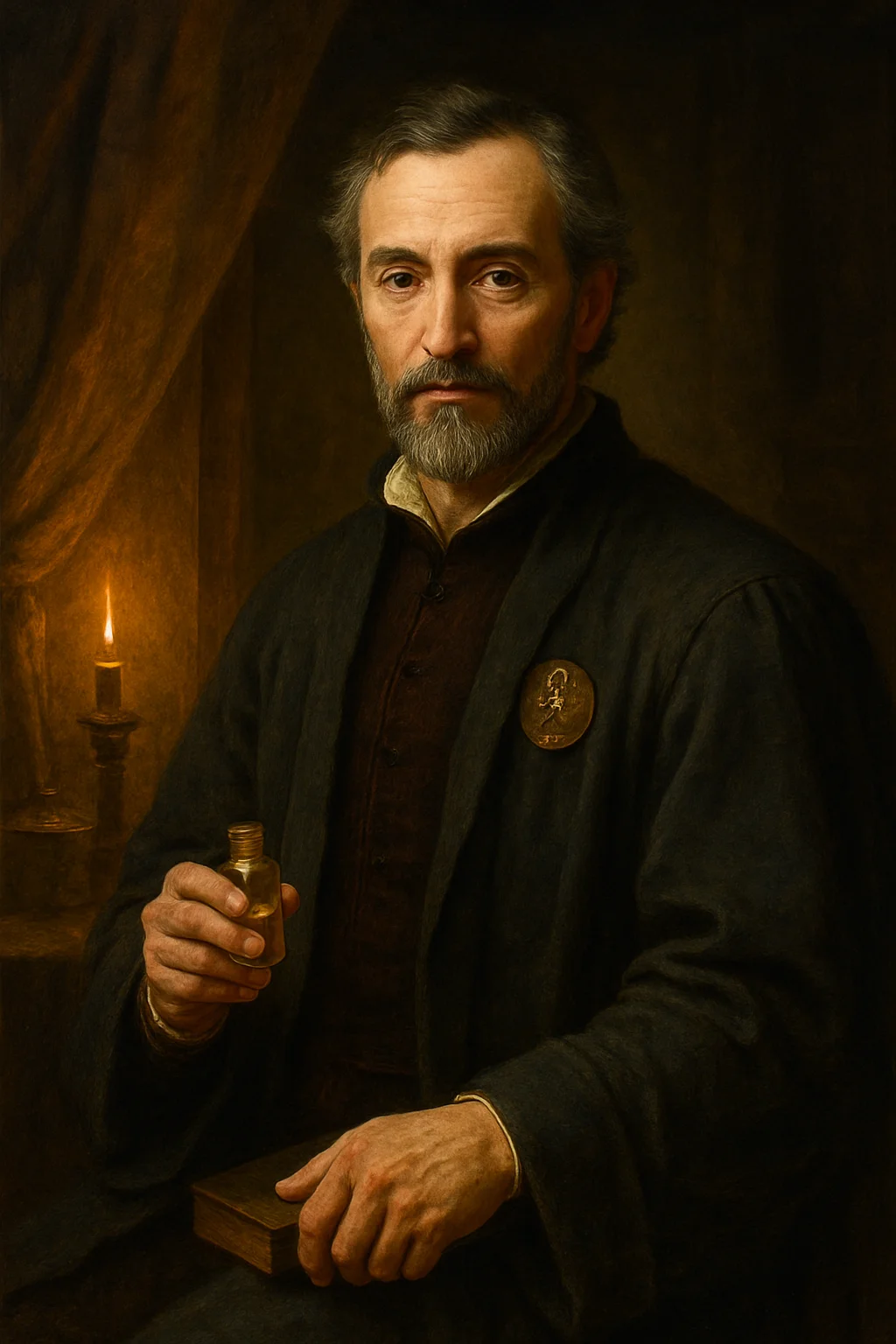
Doctor
The Doctor represents the play's slim but genuine hope of restoration. His care for Lear gives Act IV its only sustained note of tenderness, and his management of the reunion scene makes possible the one moment of genuine reconciliation in the tragedy.
Appears In
Who is Doctor?
The Doctor is a French physician in Cordelia's service, brought to oversee the recovery of Lear after his collapse into madness on the heath. He appears only in Act IV, but his brief scenes carry the play's turn toward the possibility of healing - a word that King Lear does not often permit itself.
His approach to Lear is gentle and practical: he prescribes sleep above all things, trusts in the restorative power of music, and manages the reunion between Lear and Cordelia with careful attention to the old man's fragility. In a play of overwhelming cruelty, the Doctor's quiet competence is itself a form of grace.
Motivation
The Doctor is motivated by his vocation - the care of a patient. He has no political investment in the outcome; he simply wants Lear to recover, and applies his knowledge toward that end with professional steadiness.
Personality
The Doctor is the play's only figure of purely benign authority - a man whose expertise is in healing rather than power, and who exercises it without calculation. His confidence in the restorative properties of sleep and music places him at the opposite pole from the play's agents of destruction.